The Samaná Peninsula: Beyond the Whale-Watching Headline
Samaná is worth more than a single-season visit — the peninsula has distinct towns, varied landscape and a cultural history that sets it apart from the rest of the country.
Clara · 19 November 2026 · 10 min read
Ask most visitors what they know about the Samaná Peninsula and the answer is almost always the same: whales. Every year, between January and March, humpback whales arrive in the warm, shallow waters of Samaná Bay to breed and calve, and the resulting spectacle has put this long finger of land on the international map. It deserves to be there — but for a great deal more than that. The peninsula has two towns with radically different personalities, beaches that see a fraction of the crowds that descend on Punta Cana, waterfalls that require a short ride on horseback, and a community descended from free African Americans who settled here in the nineteenth century and shaped a culture that feels unlike anywhere else in the country. Whether you arrive in whale season or not, Samaná repays several days of unhurried attention.
Getting to the Peninsula
The Samaná Peninsula sits in the north-east of the Dominican Republic, separated from the rest of the island by a narrow isthmus. Getting there has become considerably easier in recent years, though it still requires a bit of planning.
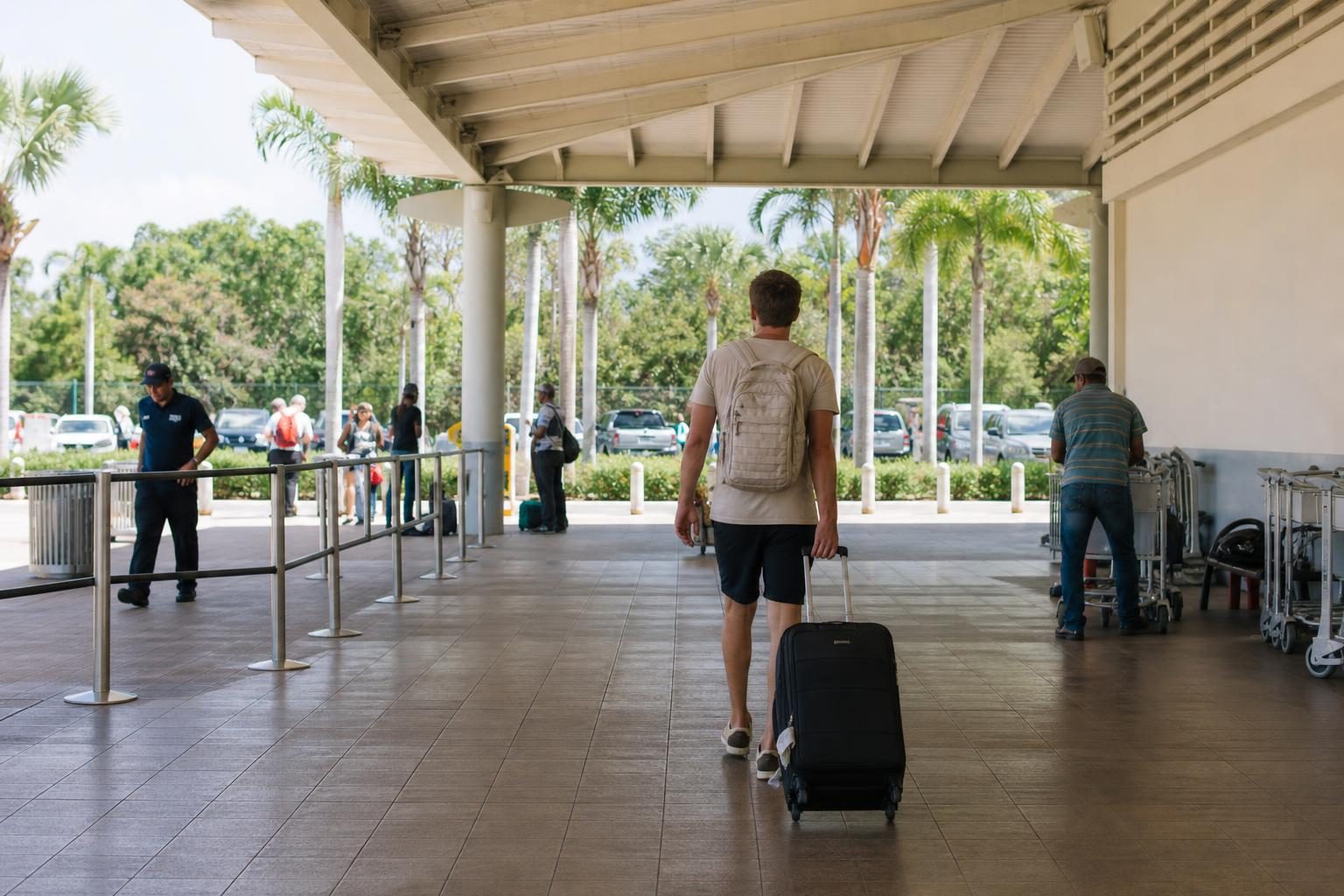
From Santo Domingo, the most straightforward option is to drive or take an express bus along the Autopista del Nordeste. The journey takes roughly two and a half to three hours depending on your destination on the peninsula. Direct bus services run from the capital to Santa Bárbara de Samaná and to Las Terrenas — check current schedules when you arrive, as timings shift. Alternatively, the Samaná–El Catey International Airport (AZS) receives flights from several Caribbean hubs and some international routes, putting the peninsula within easy reach without passing through Santo Domingo at all.
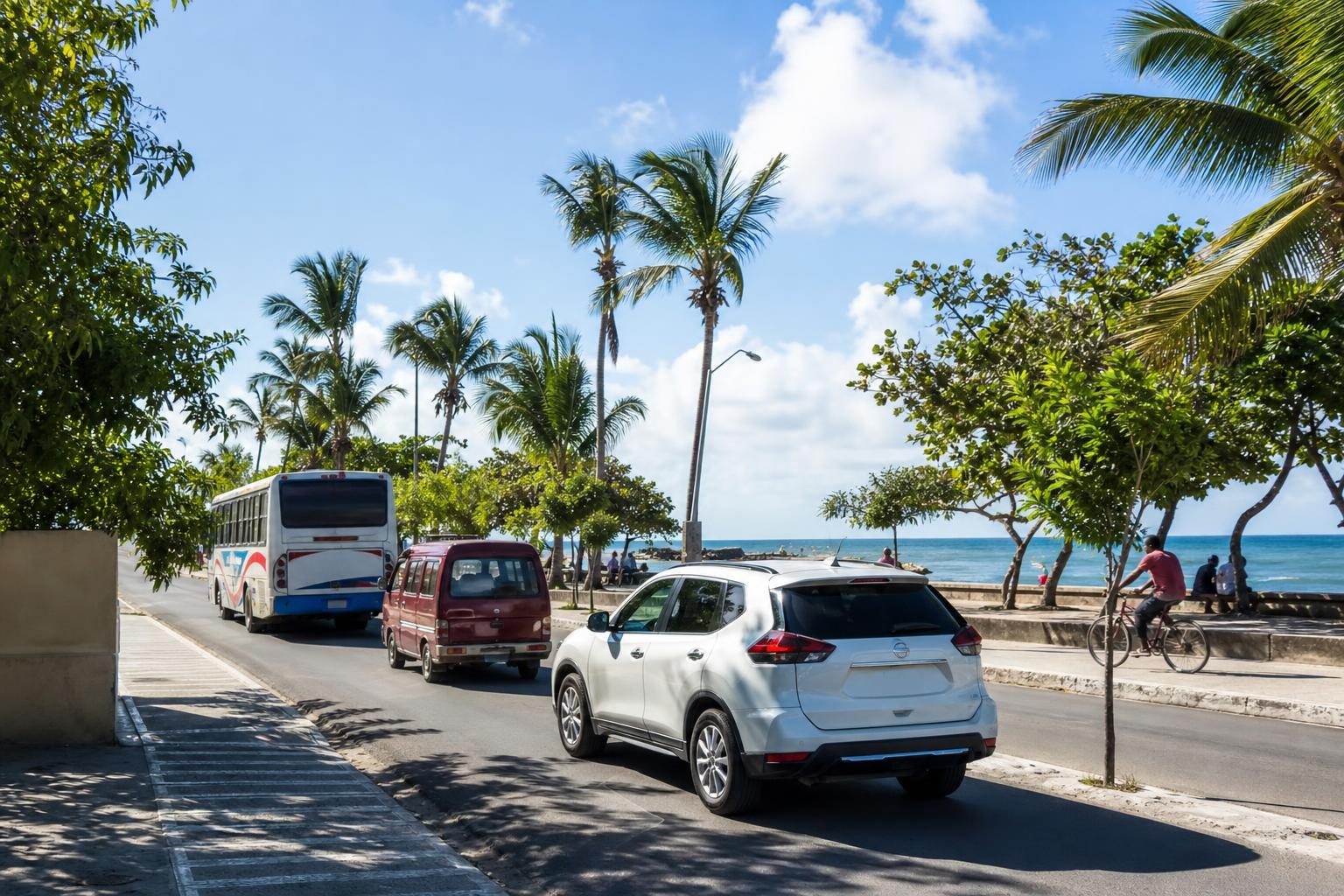
From the north coast — say, Cabarete or Puerto Plata — the route runs east along the coast through Nagua. The road is scenic but slower, and can be rough in stretches; allow three to four hours by car. Local guaguas (minibuses) cover this route, but expect stops and a degree of improvisation. If you want a fuller picture of transport options across the country, the blog's guide to getting around the Dominican Republic covers the detail.
Samaná Peninsula at a glance
- Main towns
- Santa Bárbara de Samaná, Las Terrenas, Las Galeras
- Nearest airport
- Samaná–El Catey International (AZS)
- Drive from Santo Domingo
- Roughly 2.5–3 hours via the Autopista del Nordeste
- Whale season
- January to March (humpbacks in Samaná Bay)
- Currency
- Dominican peso (DOP); US dollars widely accepted in tourist areas
- Language
- Spanish; English and French spoken in tourist businesses in Las Terrenas
Entry Formalities: The E-Ticket
Before you arrive in the Dominican Republic — whether by air or sea — you are required to complete an E-Ticket, the country's electronic entry and exit declaration. It combines customs, immigration, and health information into a single online form, and you will need to present it (or its QR code) at the border. The form is free to complete and should be done before you travel rather than scrambling at the airport.
Santa Bárbara de Samaná: The Bay Town
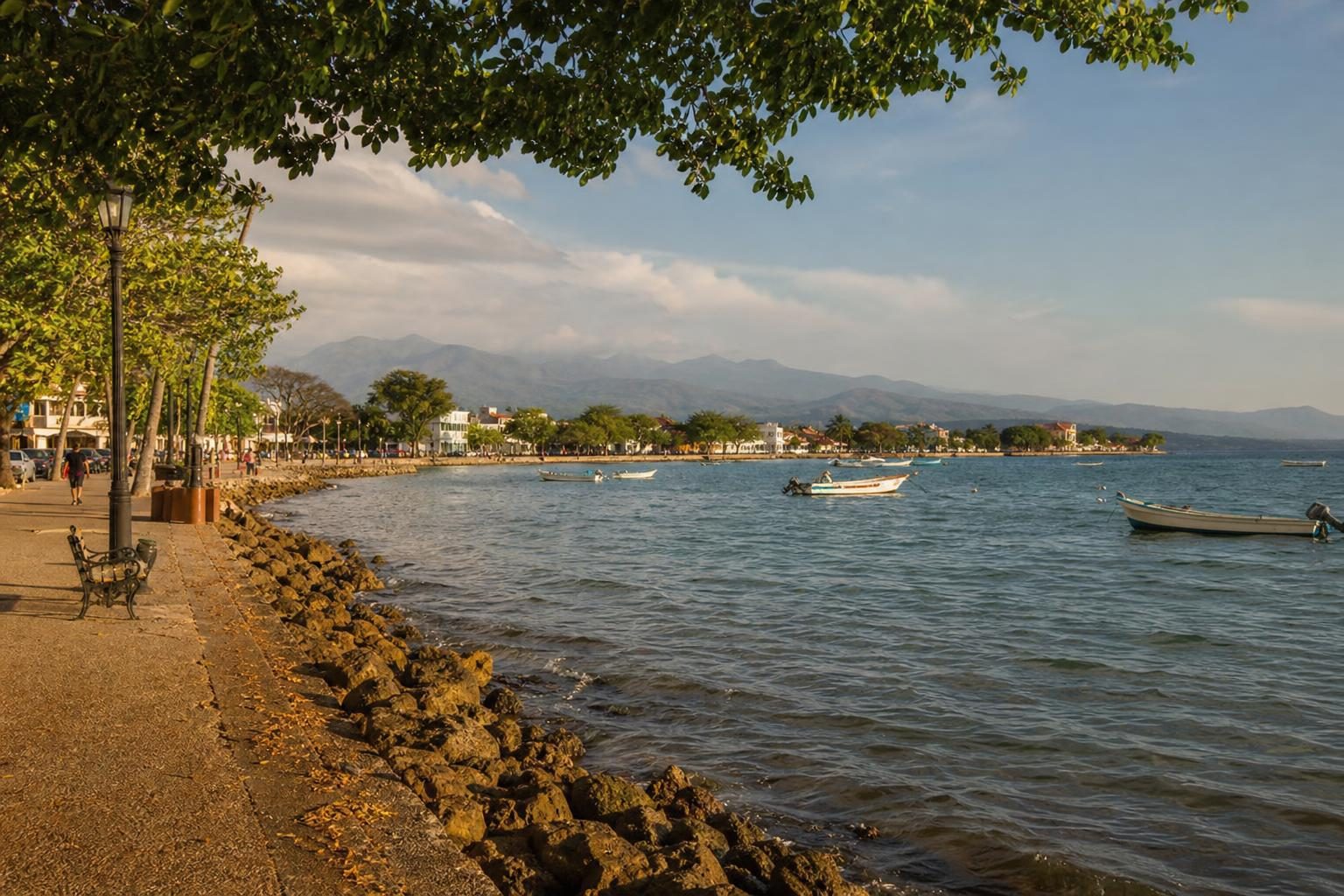
The town of Santa Bárbara de Samaná — usually called simply Samaná — sits on the southern shore of the peninsula overlooking the bay. It is the administrative capital of the province and the departure point for whale-watching boats, but it has a relaxed, working-town character that separates it from purpose-built resort strips. The waterfront Malecón is pleasant for an evening walk, and the market area behind it offers a more grounded sense of Dominican daily life than you will find in Las Terrenas.
The town's most distinctive building is La Churcha, a small Methodist church assembled from prefabricated iron panels that were shipped from England in the nineteenth century. It is a direct legacy of the community of free African Americans — many of them from Philadelphia and other northern US cities — who were invited to settle in Samaná by the Haitian government in the 1820s. Their descendants, known locally as the Samaneses, maintained their own English dialect, Protestant faith, and distinct customs for generations. The church, still active, is a quietly significant place.
Samaná town is also the main base for the whale-watching season. Boats head out into the bay from January through March, when hundreds of North Atlantic humpback whales gather here — it is one of the largest humpback breeding aggregations in the world. If you are visiting outside that window, the town is quieter and cheaper, and the bay itself is beautiful regardless of season.
Las Terrenas: The French-Influenced North Shore
Cross to the north coast of the peninsula and you arrive in a different world. Las Terrenas has been shaped over the past four decades by an unusually large community of French, Swiss, and Italian expatriates, many of whom came as tourists and never left. The result is a town that blends Dominican rhythms with European café culture: you will find proper espresso alongside mangú, boulangeries next to colmados, and a mix of languages in the streets that you will not encounter anywhere else on the island.
This is not to say Las Terrenas has lost its Dominican identity — it has not. The majority of residents are Dominican, bachata plays from bars in the evening, and the market is entirely local in character. But the European influence has produced a restaurant and accommodation scene that punches well above the town's size, and the general atmosphere is cosmopolitan without being sterile.
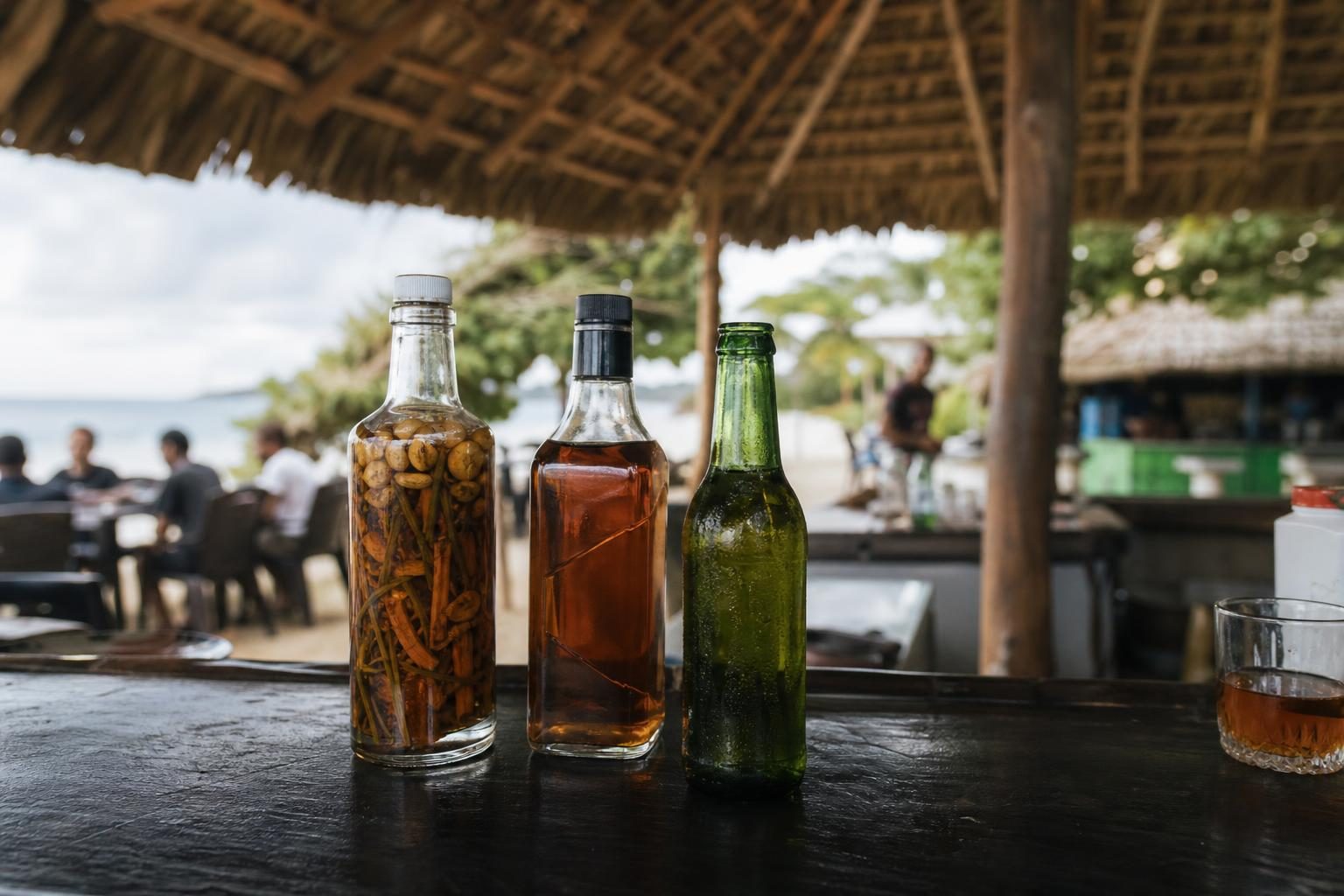
The beaches on this stretch of coast — Playa Las Terrenas, Playa Bonita, and Playa Cosón — are among the finest on the peninsula. Playa Cosón in particular is long, wide, and underdeveloped by Caribbean standards: a few low-key beach bars and a lot of space. Las Terrenas is also a reasonable base for day trips to the rest of the peninsula, including El Limón waterfall (see below).
Beaches and the El Limón Waterfall
The peninsula's beaches vary considerably in character, which is part of their appeal. On the south coast, Playa Las Flechas and Playa Anadel are calm and sheltered, good for swimming in almost any weather. The north-coast beaches face the Atlantic and can have stronger surf, particularly outside the summer months — Playa Bonita lives up to its name but is best checked on arrival before you commit to swimming.
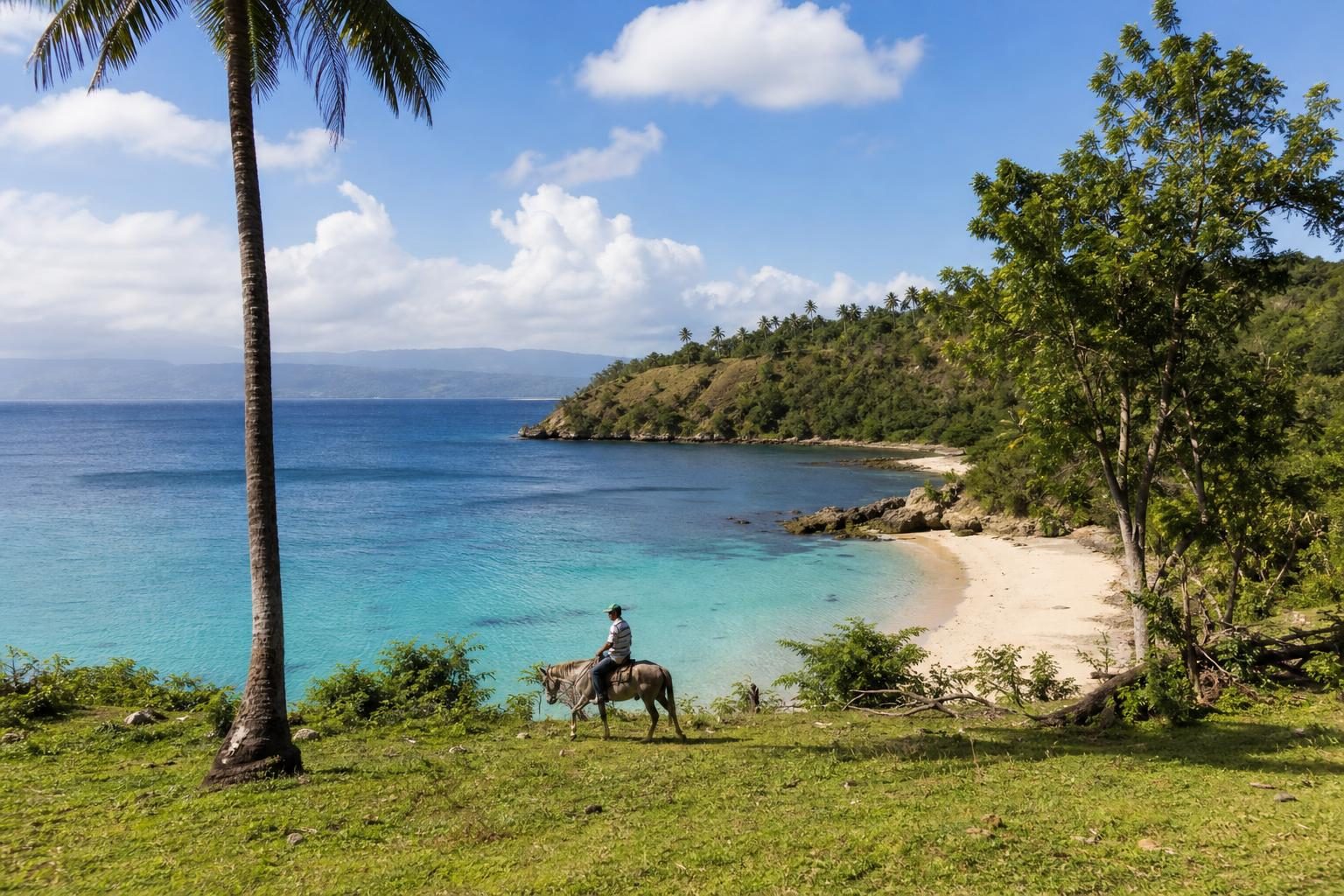
Playa Rincón, accessible by boat from Las Galeras or on foot along a trail, is consistently rated one of the best beaches in the country. It is backed by coconut palms, has fresh water from a river at one end, and sees relatively few visitors outside of peak season. Go in the morning if you can.
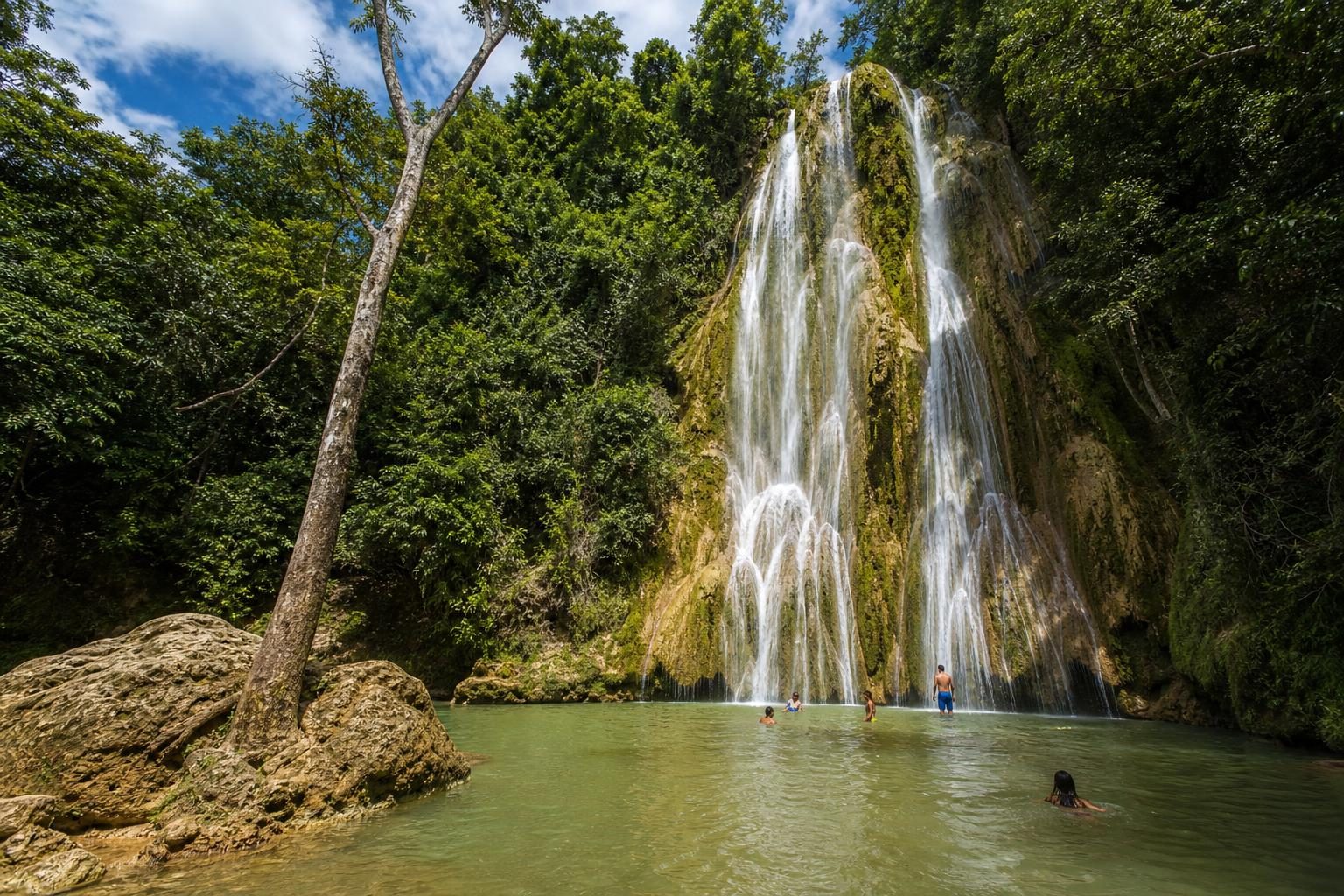
The other essential excursion from either town is the El Limón waterfall (Cascada El Limón), a forty-metre cascade in the forested interior of the peninsula. The standard approach is on horseback from one of several operators near the village of El Limón — the ride takes around forty minutes each way through farmland and secondary forest. You can also walk, though the path is steeper and less clearly marked. At the base of the falls there is a natural pool for swimming; it is cold and very welcome after the ride. Try to go on a weekday morning, when day-trippers from elsewhere on the peninsula are fewer.
Getting Around Locally
The peninsula is not enormous, but the terrain — hilly, with winding roads — means distances take longer than you might expect. Between Santa Bárbara de Samaná and Las Terrenas the drive is about forty-five minutes on the main road; Las Galeras adds another thirty minutes east of Samaná town.
Motoconchos (motorcycle taxis) are the dominant form of local transport and are cheap and abundant in all three towns. For short hops — from your guesthouse to the beach, or around town — they are the practical choice. Agree on a price before you get on.
For more flexibility, especially if you want to reach Playa Cosón or explore the interior independently, hiring a car or a quad bike is worth considering. Quad bikes are widely available in Las Terrenas and suit the rougher tracks leading to some beaches, though they warrant caution on the main roads. A conventional car hire, booked through a reputable agency, gives you more range and is preferable for the longer cross-peninsula drive.
Local guaguas run between the main towns and are very inexpensive, but routes and timings require local knowledge — asking at your accommodation is the best starting point.
Where to Stay
Accommodation on the peninsula runs from budget guesthouses and family-run posadas to small boutique hotels and a handful of larger all-inclusive properties near Las Terrenas. The all-inclusives here are generally smaller and less resort-like than those in Punta Cana, which suits travellers who want to eat out and move around rather than stay on-site.
In Samaná town, most accommodation is mid-range and functional rather than stylish — it is a working town, and options cluster near the Malecón. During whale season, book well ahead; outside January to March, you will find better rates and more choice.
In Las Terrenas, the European expat influence means there is a healthy supply of well-run small hotels and apartment rentals, particularly in and around the main beach area. Many visitors stay in self-catering apartments, which makes sense given the quality of local supermarkets and the town's good restaurant scene. For something quieter, properties along Playa Bonita and Playa Cosón offer more seclusion at the cost of needing transport to reach the town.
In Las Galeras, options are limited and simple, which is exactly the point. A few guesthouses and small hotels serve the village; most are within walking distance of the beach.
Before you go to Samaná
- Complete your E-Ticket (the Dominican Republic's entry and customs declaration) before you travel
- Check passport and visa requirements at your country's consular authority — rules vary by nationality
- Book accommodation ahead if visiting during whale season (January to March)
- Confirm bus or airport transfer options, as schedules change seasonally
- Pack reef-safe sun cream — conventional products are damaging to the coral around Las Galeras
- Bring cash in Dominican pesos for motoconchos, local markets, and smaller restaurants
- Download offline maps: mobile coverage is patchy on the interior roads
Frequently asked questions
Is Samaná worth visiting outside whale season?
Absolutely. The beaches, the El Limón waterfall, the character of Las Terrenas, and the quieter pace of Las Galeras are all equally accessible year-round. Outside January to March you will find lower prices and fewer crowds.
How long should I spend on the peninsula?
Three to four days is enough to see the main highlights — a couple of days based in Las Terrenas and a day or two in or around Samaná town. A week allows for a more relaxed pace and time in Las Galeras.
Can I visit Samaná as a day trip from Santo Domingo?
It is possible but tiring. The drive is around three hours each way, leaving little time on the peninsula. An overnight stay is strongly recommended to do it justice.
Is Las Terrenas safe for independent travellers?
Las Terrenas has a generally safe reputation by Dominican standards, with a large resident expat community and an active local tourism economy. Standard precautions apply: avoid walking alone on unlit beaches at night and keep valuables out of sight.
Do I need to book whale-watching tours in advance?
During peak weeks of whale season — typically mid-January through mid-February — boats fill up quickly, especially at weekends. Booking a day or two ahead is advisable. Outside the busiest weeks, same-day bookings are usually possible from the Samaná waterfront.
What is the E-Ticket and do I really need it?
The E-Ticket is a mandatory electronic entry and customs declaration for all visitors to the Dominican Republic arriving by air or sea. It replaces the old paper landing card and customs form. You should complete it before you travel; details are covered in our dedicated guide on the blog.