Jarabacoa and the Dominican Mountains: A Guide to the Cordillera Central
The mountains of the Cordillera Central offer a completely different Dominican Republic — cool air, pine forests, rivers and a pace of life that has nothing to do with the coast.
Clara · 19 November 2026 · 9 min read
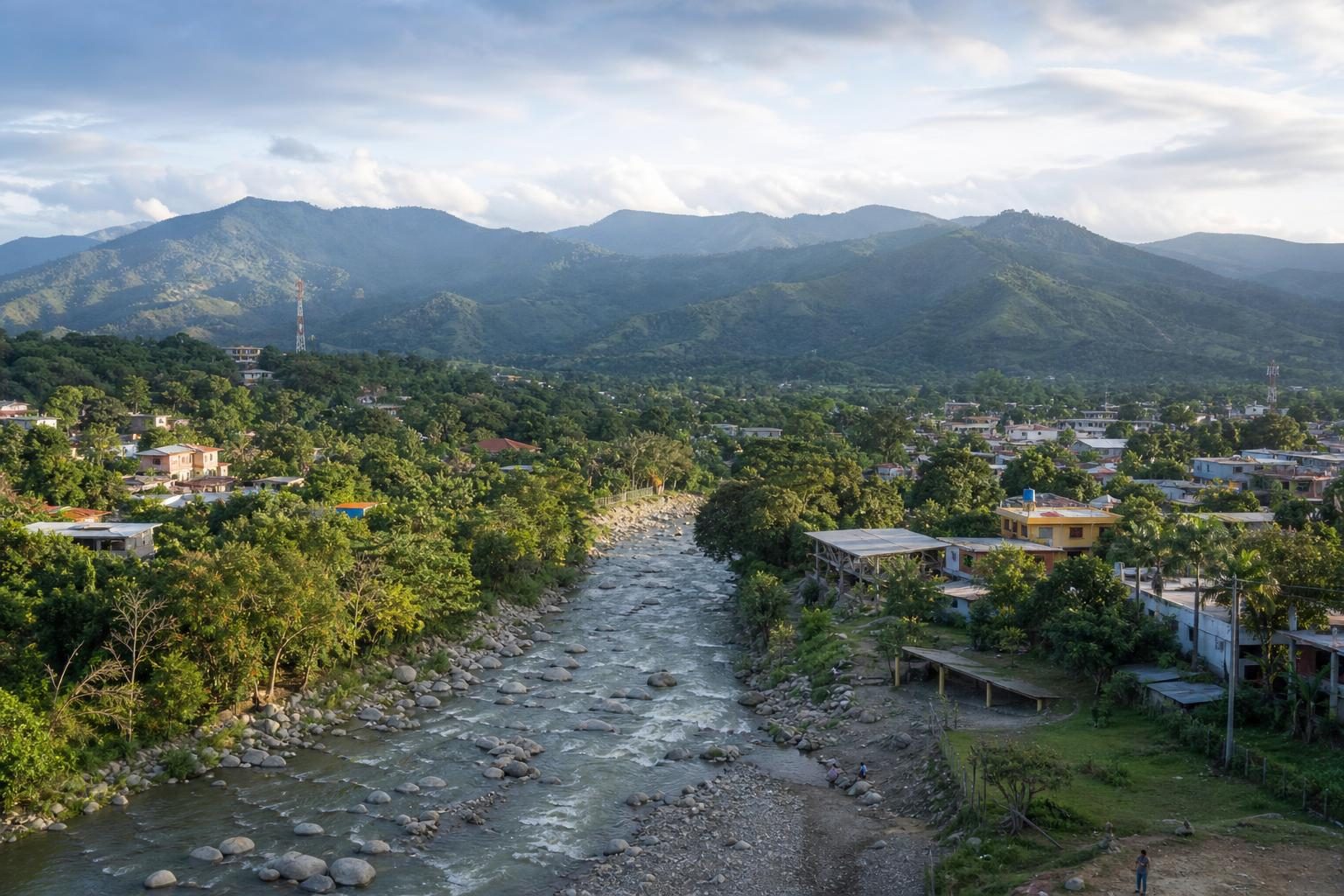
The Dominican Republic's reputation rests almost entirely on its coastline. Punta Cana, Las Terrenas, Cabarete — the beach resorts collect the crowds while the interior of the island gets quietly on with things. The Cordillera Central, the mountain range that runs through the heart of Hispaniola, is where you find rushing rivers, thundering waterfalls, pine-forested slopes and, at the top of Pico Duarte, the highest point in the entire Caribbean. The town at the centre of it all is Jarabacoa, a laid-back place with a noticeably cooler climate and a solid base of adventure tourism infrastructure. If you have even two or three days to spare from the coast, the mountains reward the detour.
Before you arrive: entry formalities
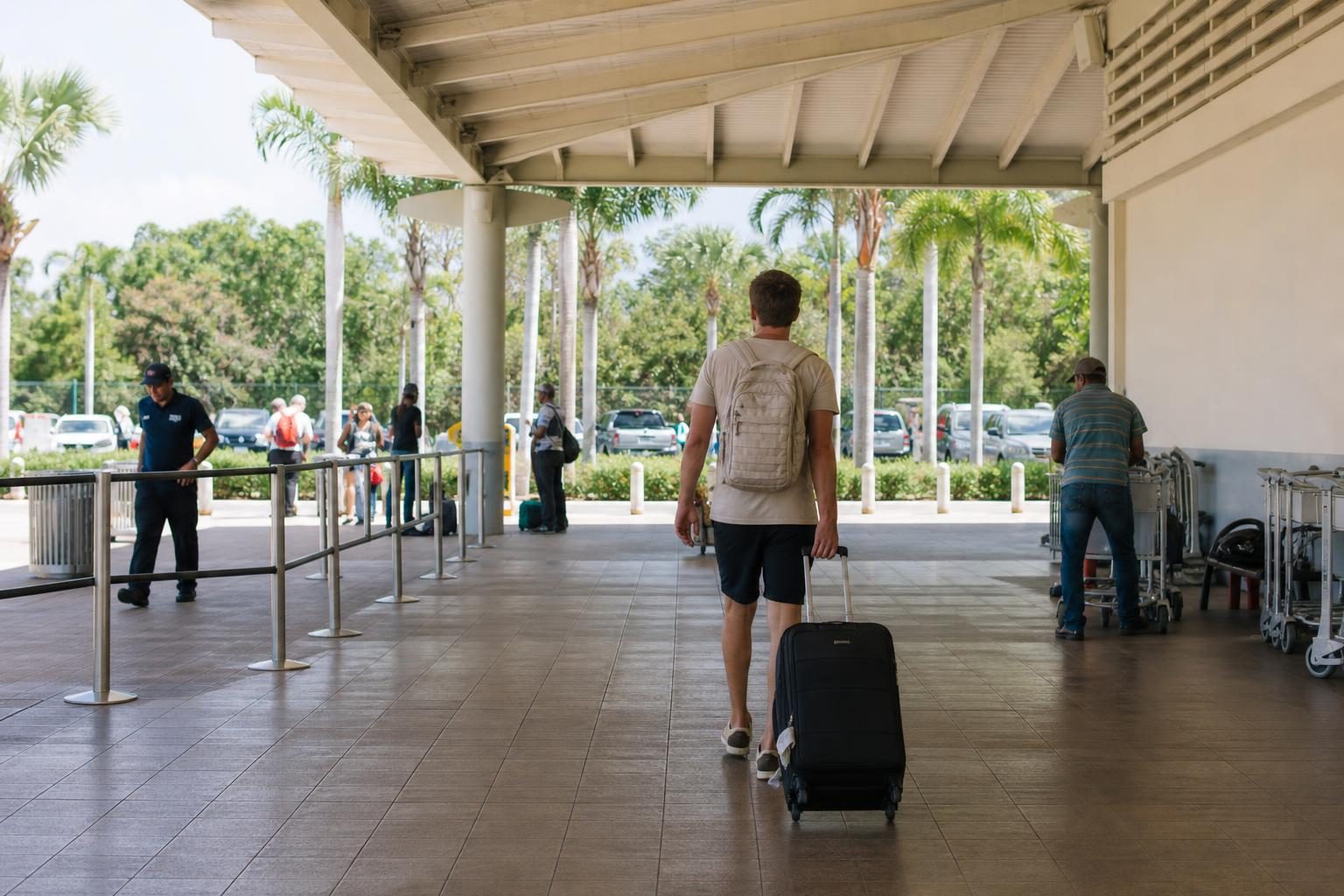
All visitors to the Dominican Republic must complete an E-Ticket — an electronic entry and exit declaration — before they arrive. The form covers customs, health and immigration information and applies whether you are flying into Santo Domingo or Santiago and driving up to the mountains, or arriving by any other route. It is straightforward to fill in, but you should do it in advance rather than scrambling at the airport.
Once you have sorted your entry documents, the mountains are waiting.
Getting to Jarabacoa
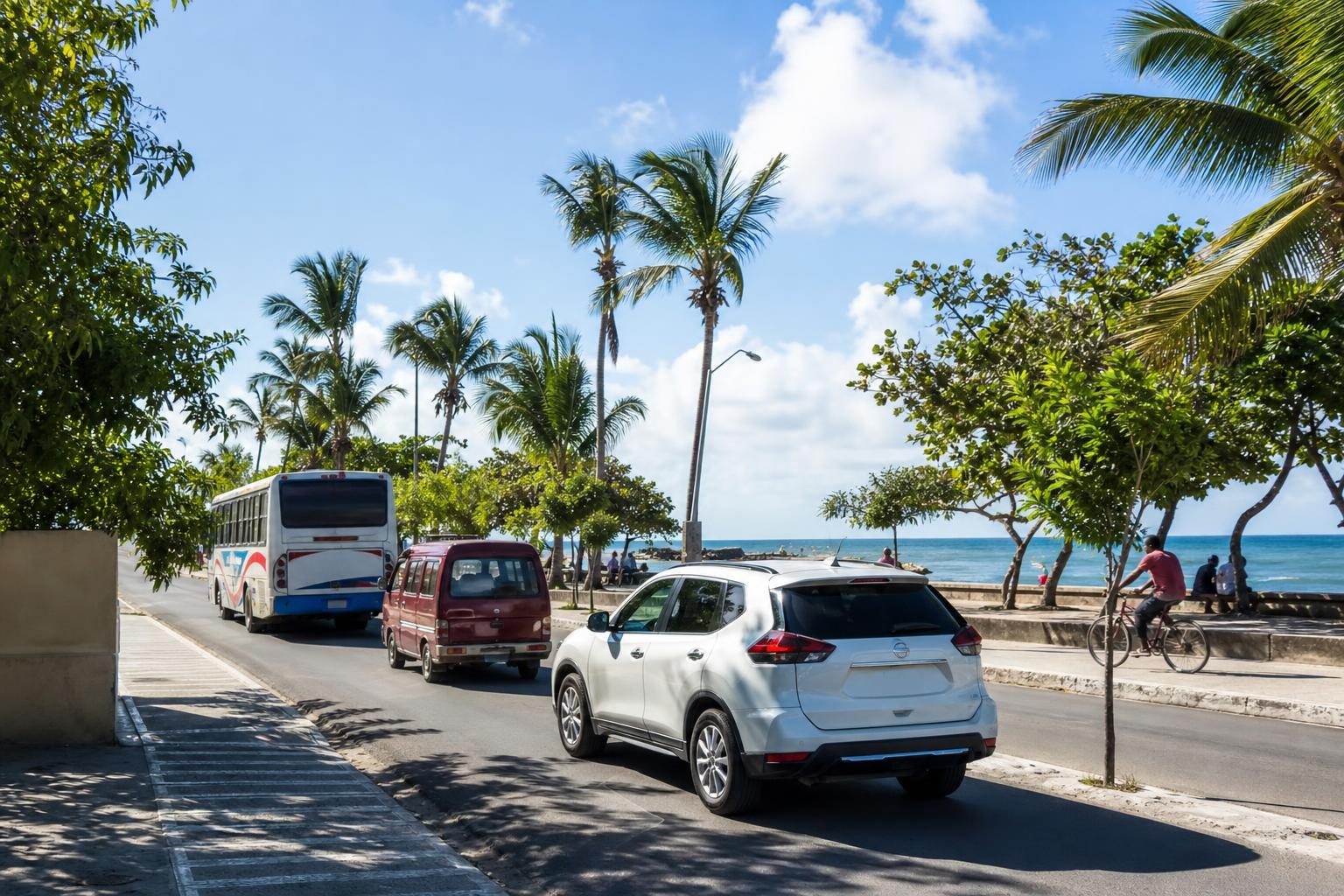
Jarabacoa sits in the province of La Vega, roughly in the middle of the country. The two most practical arrival airports are Las Américas International in Santo Domingo (about two and a half to three hours by road) and Cibao International in Santiago (around an hour and a half). From either city you can rent a car, hire a private transfer, or catch a bus to La Vega and then a local guagua (minibus) up into the mountains.
The road from La Vega to Jarabacoa climbs through increasingly green and hilly country. It is well paved for most of the route, though narrower and winding in the final stretch — nothing a standard car cannot handle, but worth knowing if you are prone to car sickness. The reward is the view that opens up as you descend into the valley where Jarabacoa sits at around 500 metres above sea level.
Driving yourself gives the most flexibility, particularly if you plan to visit the waterfalls or venture further into the mountains toward Pico Duarte. Our separate guide on getting around the Dominican Republic covers the practicalities of car hire and buses in more detail.
Jarabacoa at a glance
- Altitude
- Approximately 500 m above sea level
- Province
- La Vega
- Climate
- Cooler and greener than the coast; rain possible year-round
- Nearest city
- La Vega (~30 km), Santiago (~90 km)
- Known for
- Rafting, canyoning, Pico Duarte hikes, waterfalls, coffee and strawberries
- Best time to visit
- November to April (drier months; slightly cooler nights)
The town and its climate
Jarabacoa has a relaxed, slightly Alpine feel that takes a moment to reconcile with your mental image of the Dominican Republic. The streets are lined with flowering trees, the air smells of pine and river, and locals wear light jackets in the evenings in a way you never see in Santo Domingo. The town centre is compact and easily walkable, with a central park, a handful of restaurants serving Dominican staples, and the kind of unhurried pace that the coast rarely manages.
The cooler climate — temperatures typically range from the low twenties down to the mid-teens at night — is the detail that surprises most visitors. It is genuinely refreshing after a few days in the coastal heat, and it makes the town popular with Dominicans from Santiago and the capital who come up for a weekend of cooler air and outdoor activity. Book accommodation a little ahead if you are coming on a Friday or Saturday.
Rivers, waterfalls and adventure activities
The Cordillera Central is drained by three rivers — the Yaque del Norte, the Jimenoa and the Baiguate — and all three flow through or near Jarabacoa. This combination of fast-moving water and steep terrain has made the area the country's main centre for white-water rafting and canyoning, and there are several locally run operators in town offering guided trips.
White-water rafting
The Yaque del Norte provides the main rafting run, a stretch of class III and IV rapids that takes roughly two hours on the water. It is suitable for most adults with reasonable fitness and no prior experience; operators provide equipment and guides. It is one of the more memorable things you can do in the Dominican Republic and entirely unlike anything on offer at the coast.
Waterfalls
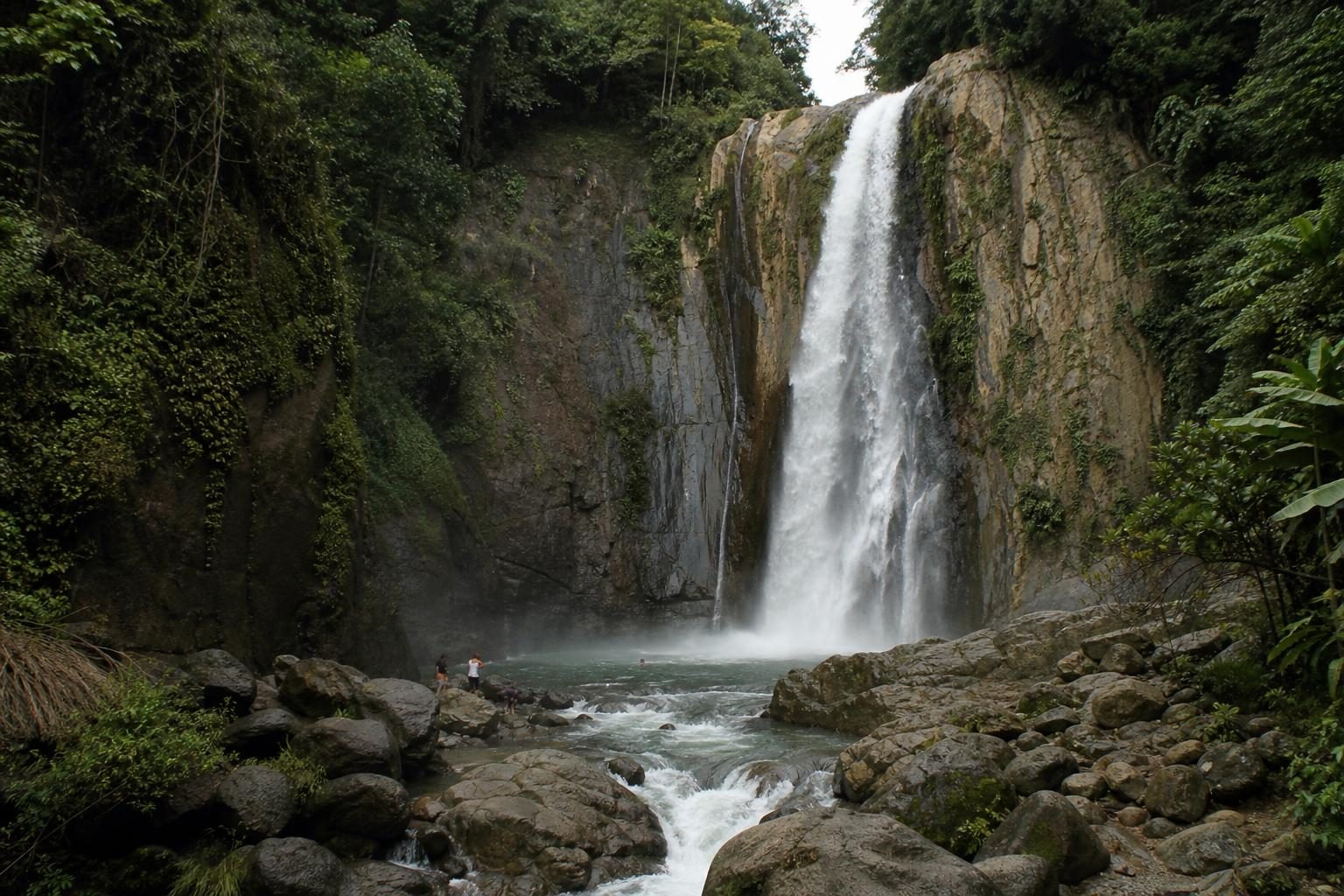
The two most visited waterfalls near Jarabacoa are Salto de Jimenoa and Salto Baiguate. Jimenoa — particularly the upper fall, sometimes called Jimenoa Uno — involves a short walk across a series of suspension bridges before the waterfall comes into view. It is dramatic and genuinely beautiful. Baiguate is slightly easier to reach and often visited as a second stop on the same day. Both are accessible by motorbike taxi (motoconcho) or car from town, and have a small entrance fee.
Canyoning
For something more physically demanding, canyoning trips take you into the gorges above town — abseiling down wet rock faces, jumping into pools and scrambling through narrow canyon sections. Local guides know the terrain well and equipment standards are generally good, though it is worth asking about safety procedures before you commit.
Pico Duarte: the Caribbean's highest peak
At 3,098 metres, Pico Duarte is the highest mountain in the Caribbean. It sits inside the Armando Bermúdez National Park, and the most common starting point for the ascent is the village of La Ciénaga, about 25 kilometres from Jarabacoa by an unpaved road. The standard route to the summit and back takes three days at a comfortable pace, though experienced hikers sometimes do it in two.
Reaching the peak is a serious undertaking, not a casual day walk. Hikers are required to register at the national park office and must be accompanied by a licensed local guide. Mules can be hired to carry equipment. The trail passes through cloud forest, pine woodland and open páramo, and the temperature at the summit drops well below what you experience in Jarabacoa — frost is not uncommon overnight.
Jarabacoa has a small but established guiding community, and several operators in town can organise the full package: transport to La Ciénaga, guide fees, mule hire, camping equipment and food. If you are planning the hike, it is worth contacting an operator before you arrive to confirm availability and what to bring.
What to pack for the Cordillera Central
- Waterproof jacket — rain is possible at any time of year
- Fleece or warm mid-layer for evenings and higher altitudes
- Sturdy walking shoes or trail runners (waterproof if hiking Pico Duarte)
- Quick-dry clothing for river activities
- Sunscreen — the UV index is high even on overcast days
- Insect repellent, especially near rivers
- Cash — ATMs exist in Jarabacoa but are limited; none near trailheads
- Reusable water bottle — tap water is not drinking quality; bottled water is widely available
Coffee, strawberries and the farming culture
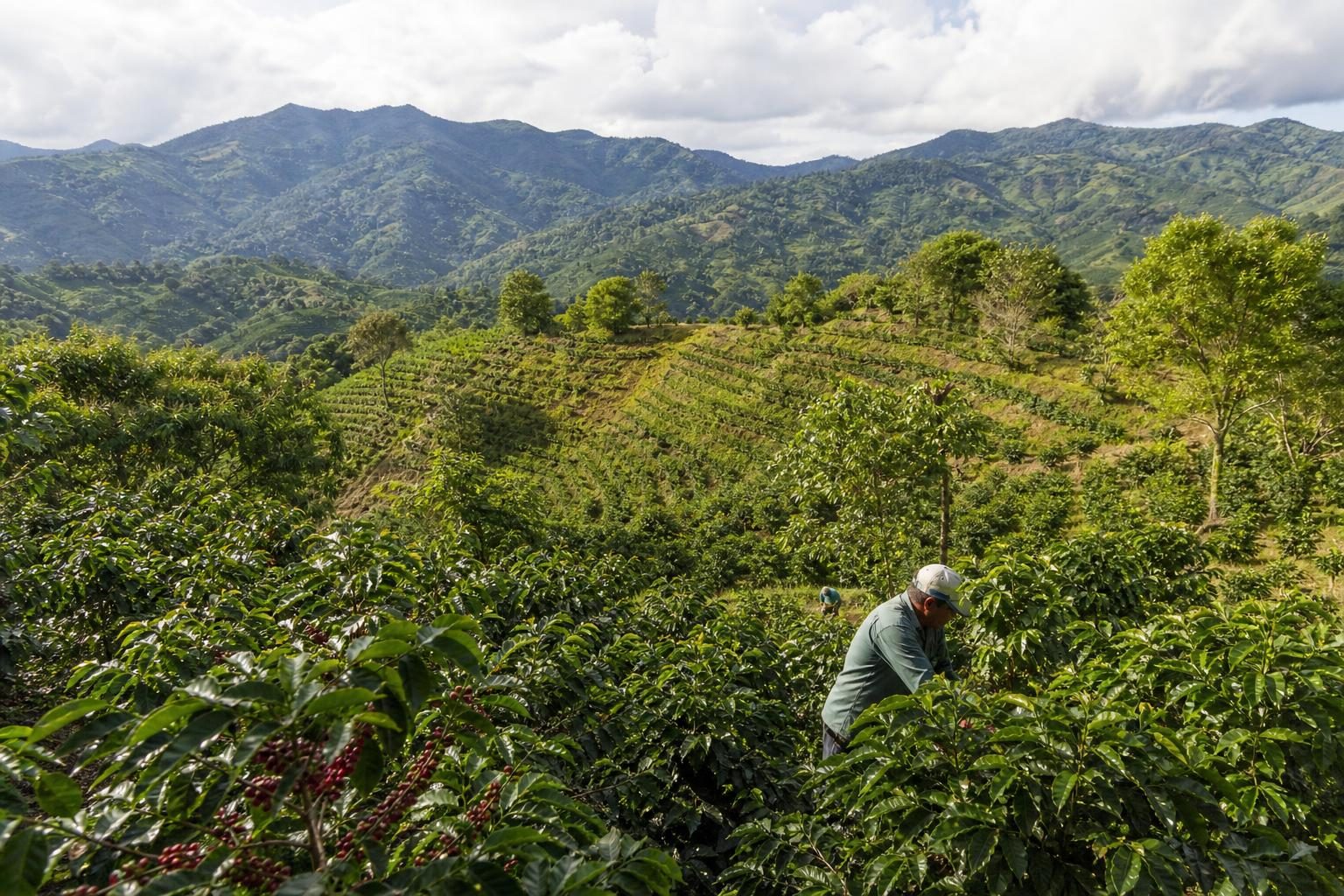
The mountains around Jarabacoa have a distinct agricultural identity that sets them apart from the rest of the country. The area produces some of the Dominican Republic's best arabica coffee — grown on small family farms at altitude, shade-grown under native trees. A handful of farms around Jarabacoa and the nearby town of Constanza (another worthwhile stop, higher and cooler still) welcome visitors for informal tours. It is the kind of low-key experience where you walk through the rows, talk to the farmer through a local guide, and taste the product fresh. Worth seeking out.
Constanza, about an hour's drive from Jarabacoa along a spectacular mountain road, is also known for strawberry farming — an unlikely speciality for a Caribbean island, but the cool climate makes it possible. Roadside stalls sell strawberries by the bag, along with garlic, cabbage and vegetables that would not survive the coastal heat. The drive between the two towns is reason enough to make the trip.
Neither Jarabacoa nor Constanza is heavily set up for tourism in the resort sense, which is precisely the point. Restaurants serve rice, beans, chicken and fresh river fish. Guesthouses are family-run and unpretentious. The rhythm of life here is shaped by the land rather than the tourist calendar, and spending a few days in that environment is a genuine contrast to the all-inclusive coast.
Frequently asked questions
Do I need a 4x4 to get to Jarabacoa?
Not for Jarabacoa itself — the main road from La Vega is paved and manageable in a standard car. However, the road to La Ciénaga (the Pico Duarte trailhead) is unpaved and rough; a high-clearance vehicle or 4x4 is strongly advisable for that stretch.
Is Jarabacoa safe for independent travellers?
Jarabacoa is generally considered one of the more relaxed and low-key towns in the Dominican Republic. The usual travel common sense applies — be aware of your surroundings, avoid displaying valuables, and use recommended local guides for mountain activities.
What is the best time of year to visit?
The drier months from November to April are generally the most comfortable for hiking and outdoor activities. That said, the mountains can receive rain at any time of year, and even the wet season offers plenty of clear days. Avoid planning a Pico Duarte ascent for October or November if you can — this is when tropical weather systems are most active.
How long do I need in Jarabacoa?
Two days gives you time for the waterfalls and a rafting trip. Three to four days allows you to add Constanza and the coffee farms. The Pico Duarte hike requires at least three days on its own, so plan five or six days in the region if you want to combine it with town-based activities.
Can I visit Jarabacoa as a day trip from Santo Domingo or Santiago?
Technically yes from Santiago, which is only about 90 kilometres away — but you would only scratch the surface. Jarabacoa is much better appreciated with an overnight stay, and most of the best activities take half a day or more.